

Winter meals can absolutely support your immune system, but no single food prevents a cold. The foods that support immune health through winter are ordinary, nutrient-dense staples — citrus, garlic, ginger, yogurt with live cultures, mushrooms, berries, leafy greens, beans, nuts and seeds, eggs, sweet potatoes and fermented foods — that supply the raw materials immune cells need to do their ordinary job. Think of them as a well-stocked pantry, not a shield.
Winter also works against us in ways food can’t fully offset. We spend more time indoors in close contact, dry cold air is harder on the mucus barriers lining our nose and throat, and sun exposure drops, which matters for vitamin D. If you want the boring-but-effective version of winter nutrition, start with variety: several different plant foods across the week, a steady protein source, and enough food overall. Skip the expensive immune booster powders unless your clinician recommends them.
Below is a practical guide to twelve foods, what each actually contributes, and the easiest way to put it on a winter plate.
Table of Contents
- Foods That Support Immune Health Through Winter at a Glance
- 1. Citrus Fruits
- 2. Garlic
- 3. Ginger
- 4. Yogurt With Live Cultures
- 5. Mushrooms
- 6. Berries
- 7. Leafy Greens
- 8. Beans and Lentils
- 9. Nuts and Seeds
- 10. Eggs
- 11. Sweet Potatoes
- 12. Fermented Foods
- Frequently Asked Questions
- Conclusion: Start With One Flexible Winter Plate
Foods That Support Immune Health Through Winter at a Glance
This table summarizes each food, what it brings to the plate, the most useful winter format, and one practical consideration to keep in mind.
| Food | Key nutrients or properties | Most useful winter serving format | Practical consideration |
|---|---|---|---|
| Citrus fruits | Vitamin C, fiber, flavonoids | Segments, zest in dressings, sliced into winter salads | Whole fruit beats juice; added sugar sneaks into juice drinks |
| Garlic | Sulfur compounds including allicin | Chopped into soups, sauces and roasted vegetables | Raw garlic upsets some stomachs |
| Ginger | Gingerols, fiber | Grated into broths, tea and stir-fries | Can worsen reflux; check with a clinician about medications |
| Yogurt with live cultures | Protein, calcium, vitamin B12, live cultures | Breakfast bowls, dips, salad dressings | Check the label for live and active cultures |
| Mushrooms | Selenium, B vitamins, fiber, vitamin D when sun-exposed | Soups, stews, grain bowls, sauces | Cook thoroughly, especially for pregnant readers |
| Berries | Vitamin C, anthocyanins, fiber | Oatmeal, yogurt, salads, sauces, snacks | Frozen works; dried portions are small |
| Leafy greens | Vitamin K, folate, vitamin A, vitamin C | Massaged kale, slaw, soups, sautés | Vitamin K interacts with some blood thinners |
| Beans and lentils | Fiber, protein, iron, potassium | Stews, chili, soups, grain bowls | Rinse canned beans to cut sodium; add fiber slowly |
| Nuts and seeds | Vitamin E, magnesium, omega-3 fats, protein | Oatmeal, salads, yogurt, baking | Store airtight and cold to prevent rancidity |
| Eggs | Protein, vitamin A, B12, selenium, choline | Frittatas, breakfast bowls, soups | Cook to 160°F for safety |
| Sweet potatoes | Beta-carotene, potassium, fiber, vitamin C | Roasted, mashed, blended into soup | Starchy on its own; pair with protein |
| Fermented foods | Live cultures in some, sodium in most | Sauerkraut, kimchi, miso, kefir, tempeh | Refrigerate; high-sodium and histamine concerns |
1. Citrus Fruits
Oranges, grapefruits, clementines, lemons and limes are the most familiar winter source of vitamin C, a nutrient your body needs for normal immune function and for collagen production, which is part of how skin and tissue barriers stay intact. Citrus also brings soluble fiber and plant compounds called flavonoids. Vitamin C is water-soluble, so it doesn’t store well in the body, and daily intake matters more than one big serving.
How citrus fits into foods that support immune health through winter
Keep whole fruit in the fridge and reach for it first. Clementines are easy to peel one-handed and travel well in a bag. Lemon zest lifts a dressing made from olive oil and mustard, and a squeeze over roasted broccoli or sweet potato does more than the salt shaker does. A few slices in a hot-water infusion gives you something warm without tea leaves.
Skip the sugary juice drinks, where vitamin C comes with a lot of added sugar and little fiber. Our label guide on how to spot hidden sugar in packaged foods covers what to look for on a drink label. And if you have a citrus allergy, you’re not out of options — frozen juice concentrate and guava are vitamin C stand-ins.
2. Garlic
Garlic is a flavor builder that also supplies sulfur compounds, including allicin, which forms when you crush or chop a clove. Those compounds show anti-inflammatory activity in lab studies and give garlic its place in traditional cold-season cooking. What they don’t do, on the evidence we have, is stop you catching a virus. Garlic earns its winter spot on flavor and on the fact that you will actually use it.
Chop a few cloves and throw them into a pot of soup in the last ten minutes, mince them into a vinaigrette, or add a spoonful of garlic-infused oil to roasted vegetables. Warm cooking mellows the raw bite considerably.
Eat raw garlic with caution if you get heartburn or stomach discomfort, since it irritates the lining for some people. Cooking also reduces the allicin content, which is a fair trade for tolerance.
3. Ginger
Ginger is a staple in winter kitchens because it warms a broth and settles an upset stomach. It contains gingerols and shogaols, and it adds fiber in the form of a used tea bag or grated skin. Like garlic, the honest framing is that ginger makes food more pleasant and more digestible, not that a mug of ginger tea prevents infection.
One easy method: grate a thumb-sized piece of fresh ginger into a pot of broth, simmer for fifteen minutes, strain, and add a squeeze of lemon. Grated ginger also works in stir-fries, oatmeal and baked goods. Ground ginger keeps for far longer than fresh, which matters in February.
Two things worth flagging. Ginger can trigger reflux symptoms in people prone to them. And high amounts of ginger have been reported to interfere with some blood thinners and diabetes medications, so if you take those and plan to drink ginger tea daily, ask your pharmacist first.
4. Yogurt With Live Cultures
Plain yogurt delivers protein, calcium, vitamin B12 and, when the label says so, live and active cultures. Those cultures are the reason yogurt appears in every fermented-food list. Fermented foods are the clearest example of a food-first habit with a real mechanism behind it: a large share of immune tissue sits in the gut, and the microbiome interacts with it constantly.
Check for the phrase live and active cultures on the label, since heat-treated products lose them. Serve it over oatmeal with berries, use it as a dip for roasted vegetables, or loosen it with lemon juice and olive oil for a salad dressing. For people avoiding dairy, unsweetened plant yogurts fortified with calcium work similarly on protein.
Watch two things. Flavored yogurt often carries as much added sugar as dessert, so buy plain and sweeten it with fruit. And lactose intolerance is real, so many people do better with lactose-free yogurt or a plant version. Keep it refrigerated, because live cultures are perishable.
5. Mushrooms
Mushrooms are an underrated winter food: savory, fiber-containing, and a small source of selenium and B vitamins. Shiitake, cremini, oyster and maitake are the four most common in grocery stores, and all of them work in soups, stews, grain bowls and sauces. Mushrooms grown in sunlight also contain small amounts of vitamin D, which is scarce in a northern winter diet.
The honest version: studies on specific mushroom species in humans have been small and mixed. Eat mushrooms because they are delicious, cheap and versatile, not because a serving of shiitake is a treatment.
For safety, cook them thoroughly rather than eating them raw, and store them in a paper bag or a container with a vent rather than a sealed plastic one, which speeds spoilage. Anyone pregnant is advised to cook mushrooms fully to avoid listeria risk.
6. Berries
Berries bring vitamin C, fiber and anthocyanins, the pigments that give blueberries and blackberries their color. Fresh berries survive the winter fine, and frozen berries are picked and frozen at peak, so nutritionally they hold up well and cost less. They work in overnight oatmeal, folded into yogurt bowls, tossed into a winter salad with vinaigrette, or cooked into a quick sauce for pancakes and pork.
Read 12 foods that help skin look less dull for more on how anthocyanin-rich foods get used across a week of meals.
Frozen-dried berries concentrate the nutrients, so use far fewer — a tablespoon goes a long way. Skip the candied and syrup-packed versions, where most of the sugar is added rather than present in the fruit.
7. Leafy Greens
Kale, spinach, collard greens, Swiss chard and cabbage are the winter greens that hold up when produce gets cold and pale. They supply folate, vitamin C, vitamin A precursors and vitamin K, and cruciferous vegetables such as kale and cabbage contain glucosinolates, sulfur-containing compounds that get broken down in the gut.
Winter cooking tips that actually help. Massage torn kale with a little oil and salt for a minute and it softens into salad. Add spinach to soups in the last five minutes so it does not turn to sludge. Shred cabbage with a splash of vinegar for a slaw that holds up for a few days in the fridge. Chard stems can be sliced thin and cooked first, then the leaves a minute later.
Wash greens under running water before cutting, and use them within about a week of buying. One note for readers on blood thinners: vitamin K works against warfarin and similar drugs, so keep intake consistent rather than cutting kale out entirely.
8. Beans and Lentils
Beans and lentils add fiber, protein, iron, potassium and folate to winter meals at a cost per serving that almost nothing else matches. Fiber matters here: prebiotic fiber feeds the bacteria in the gut, and that community has a direct line to immune tissue. Chili, split pea soup and lentil curry are also the kind of food you can batch-cook on a Sunday and eat all week.
Concrete example: simmer one cup of brown lentils with diced carrot, celery, onion, garlic and cumin in vegetable broth for 25 minutes, finish with lemon and olive oil, and serve over cooked grain with a spoonful of yogurt. Dried lentils need no soaking and roughly double in volume when cooked.
If you normally eat little fiber, increase gradually and drink plenty of water, or your digestion will protest. Canned beans are fine — rinsing and draining them cuts a meaningful amount of sodium.
9. Nuts and Seeds
Walnuts, almonds, pumpkin seeds, sunflower seeds, chia and flax each do something different. Walnuts are the plant source of omega-3 fats, chia and flax supply the same kind of fats plus soluble fiber, almonds and pumpkin seeds bring vitamin E, magnesium and zinc, and sunflower seeds are among the few everyday foods with meaningful selenium.
Winter uses: spooned over oatmeal, scattered on salads, mixed into yogurt, folded into batter for muffins, or stirred into a pot of porridge. Toasting nuts and seeds for five minutes at moderate heat deepens the flavor before they go stale.
Storage matters more than most people expect. The oils in nuts and seeds go rancid at room temperature in a humid kitchen, so keep them airtight in the fridge or freezer and buy smaller quantities more often. Two cautions: nut allergies are serious, so label anything you share, and be careful with whole nuts and spoonfuls of seeds if swallowing is difficult.
10. Eggs
Eggs are compact, inexpensive and surprisingly nutrient-dense — protein plus vitamin A, vitamin B12, selenium and choline, a nutrient many diets under-supply. They pair with vegetables and whole grains to turn into a complete winter breakfast or an easy dinner.
A frittata handles leftovers well: eggs, cooked broccoli, a handful of spinach, some feta, baked until the center is set. Hard-boiled eggs in a bowl with fruit and toast make a five-minute breakfast that holds you until lunch. Egg drop soup turns one beaten egg into a bowl of comfort in minutes.
For safety, cook eggs until the whites and yolks are firm, which corresponds to an internal temperature of 160°F, and use pasteurized eggs for anything served uncooked, like homemade mayonnaise or a tiramisu. If you are pregnant, elderly or immunocompromised, take that advice extra seriously.
11. Sweet Potatoes
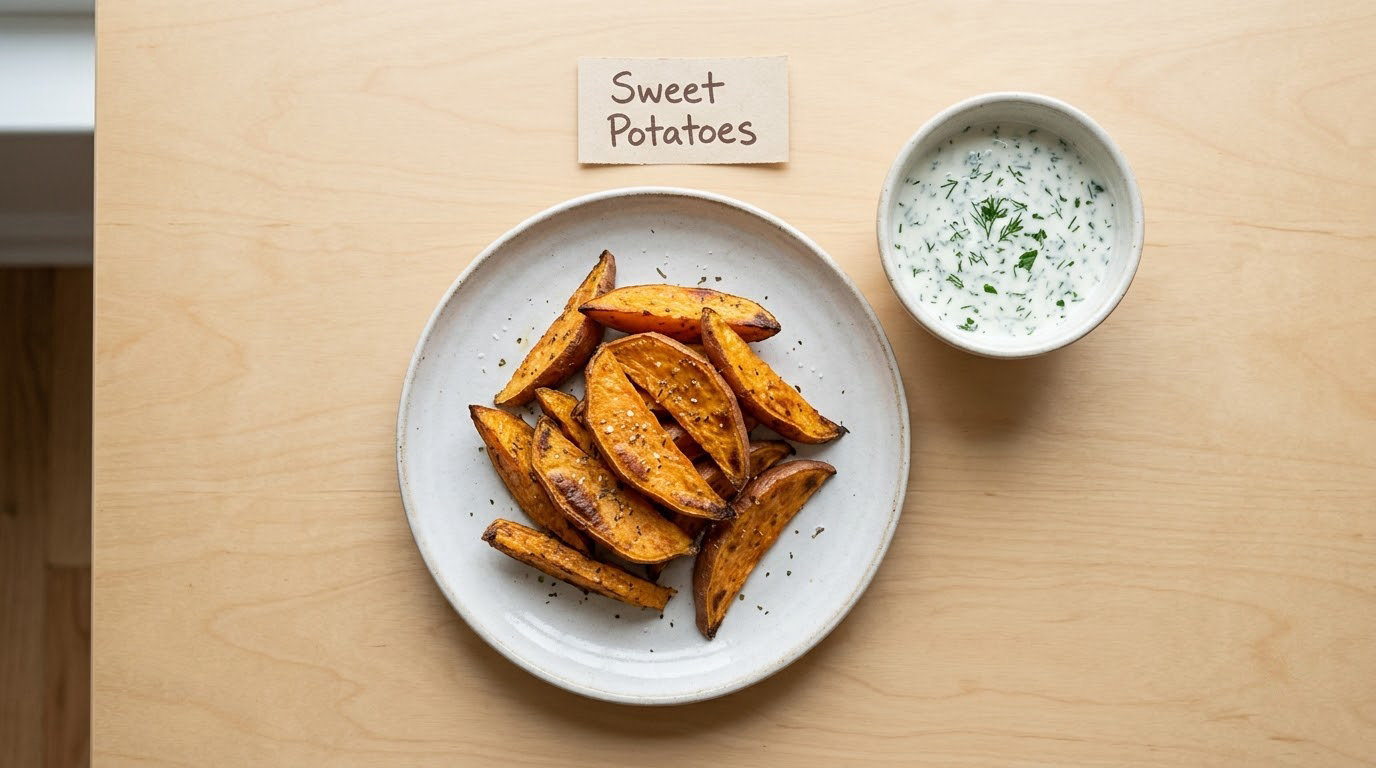
Sweet potatoes are filling, affordable and available all winter. They supply fiber, potassium, beta-carotene, which the body converts to vitamin A, and a surprising amount of vitamin C for a starchy vegetable. That last point matters more than most people realize, because vitamin C is the nutrient hardest to get in midwinter.
Roast wedges at 425°F for about 30 minutes with olive oil and salt. Mash with a little butter or olive oil and a squeeze of lime. Blend roasted sweet potato into soups for body and sweetness without cream. Shred raw into slaw with cabbage, apple and a cider vinegar dressing.
Fresh sweet potatoes store well in a cool, dark pantry spot for weeks. Frozen diced pieces skip the thirty minutes of roasting and go straight into soups and stir-fries. One practical note: sweet potato is starchy, so pair it with a protein and a non-starchy vegetable rather than counting it as your vegetable for the meal.
12. Fermented Foods
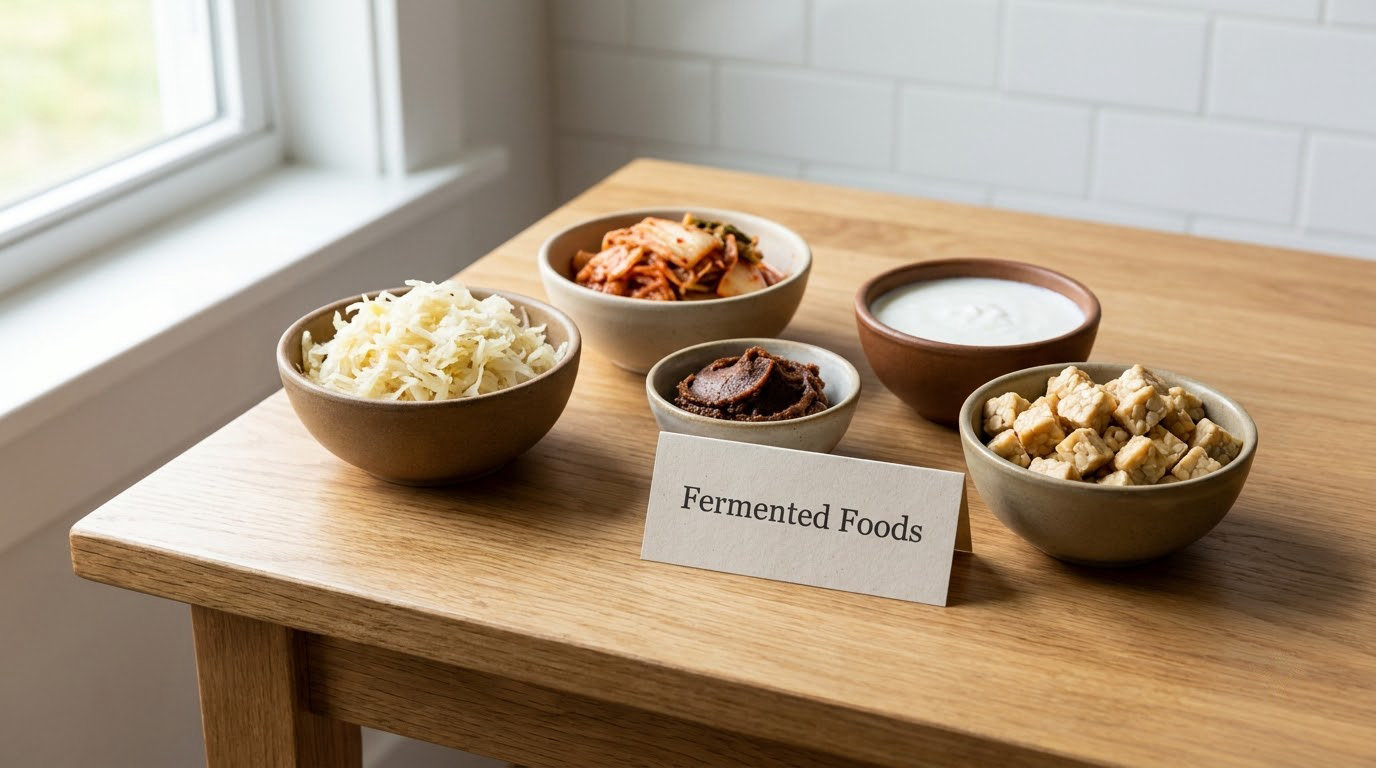
Fermented foods include plain yogurt, kefir, kimchi, sauerkraut, miso and tempeh, and they vary enormously in what they actually contain. Kefir and plain yogurt usually carry live cultures. Store-bought sauerkraut and kimchi are pasteurized in many cases, which kills the cultures. Miso is fermented but the live organisms generally do not survive. Tempeh is fermented soy with live cultures when it is kept refrigerated.
That distinction is the useful one to remember. Look for live and active cultures on the label rather than assuming a fermented-sounding name means live organisms. Serving them: sauerkraut as a topping on baked potatoes, kimchi in fried rice, miso in a simple broth with tofu and scallions, kefir in smoothies, tempeh crumbled into stir-fries or grilled.
Two cautions. Fermented foods can be high in sodium, which matters if you watch blood pressure. And for people prone to histamine intolerance or migraines, fermented foods are common triggers. Anything refrigerated needs to stay refrigerated.
Frequently Asked Questions
What foods are best for immune support during winter?
There is no single strongest food. A varied plate beats any one item, and the winter staples that do the most are citrus and other vitamin C fruits, leafy greens and cruciferous vegetables, beans and lentils for fiber, yogurt or other fermented foods for live cultures, eggs, nuts and seeds, and sweet potatoes for beta-carotene and vitamin C. Aim for several different plant foods daily plus a steady protein source, and treat supplements as optional.
Are immune-support supplements worth taking during winter?
For most people, no. Eating a varied diet supplies the nutrients involved in immune function in amounts far above what a supplement adds. Vitamin D is the common exception in northern winters, where sun-driven production drops, and zinc or vitamin C supplements come up during illness. Talk to your clinician before starting either, especially if you take medications, since supplements interact with some drugs.
How can I eat these foods when fresh winter produce is limited?
Freezing is the easy answer for berries, mushrooms, greens and sweet potatoes, because produce is usually picked and frozen near peak. Canned beans and tomatoes are convenient, and rinsing canned beans cuts sodium. Dried lentils need no soaking and cook in about 25 minutes. Frozen juice concentrate keeps vitamin C in drinks. Citrus, cabbage and root vegetables are cheap and widely available all winter.
Who should ask a doctor or registered dietitian for personalized advice?
Anyone pregnant or breastfeeding, living with diabetes, kidney disease or an autoimmune condition, managing cancer or immunosuppressant therapy, caring for a child under five, or taking prescription medications on an ongoing basis. Registered dietitians can also help with food allergies, lactose intolerance, histamine intolerance and restricted diets, where generic food lists tend to fall apart.
Can food prevent or treat a winter cold or flu?
No food prevents or treats an infection, and no herb cures the flu. Diet supports normal immune function, which means your body is better resourced when germs come around. Vaccination, handwashing, staying home when you are ill, sleep and regular movement have a larger effect on how often you get sick than any single food. Seek medical care for fever, breathing trouble, dehydration or symptoms lasting more than about ten days.
Conclusion: Start With One Flexible Winter Plate
Start tonight with a plate you can build from what you already have: a colorful plant food such as citrus, leafy greens or sweet potato, a protein such as eggs, beans or yogurt, a whole grain or starchy vegetable, and a fat or sauce you like. Change one component each day. That is what foods that support immune health through winter look like in practice — ordinary meals, not a protocol.
Keep the rest in proportion. Sleep, movement, vaccinations, handwashing and staying home when you’re sick do more for how often you get sick than any food on any list. And if you have a medical condition, take supplements or eat a restricted diet, talk to your doctor or a registered dietitian rather than following a general article.