
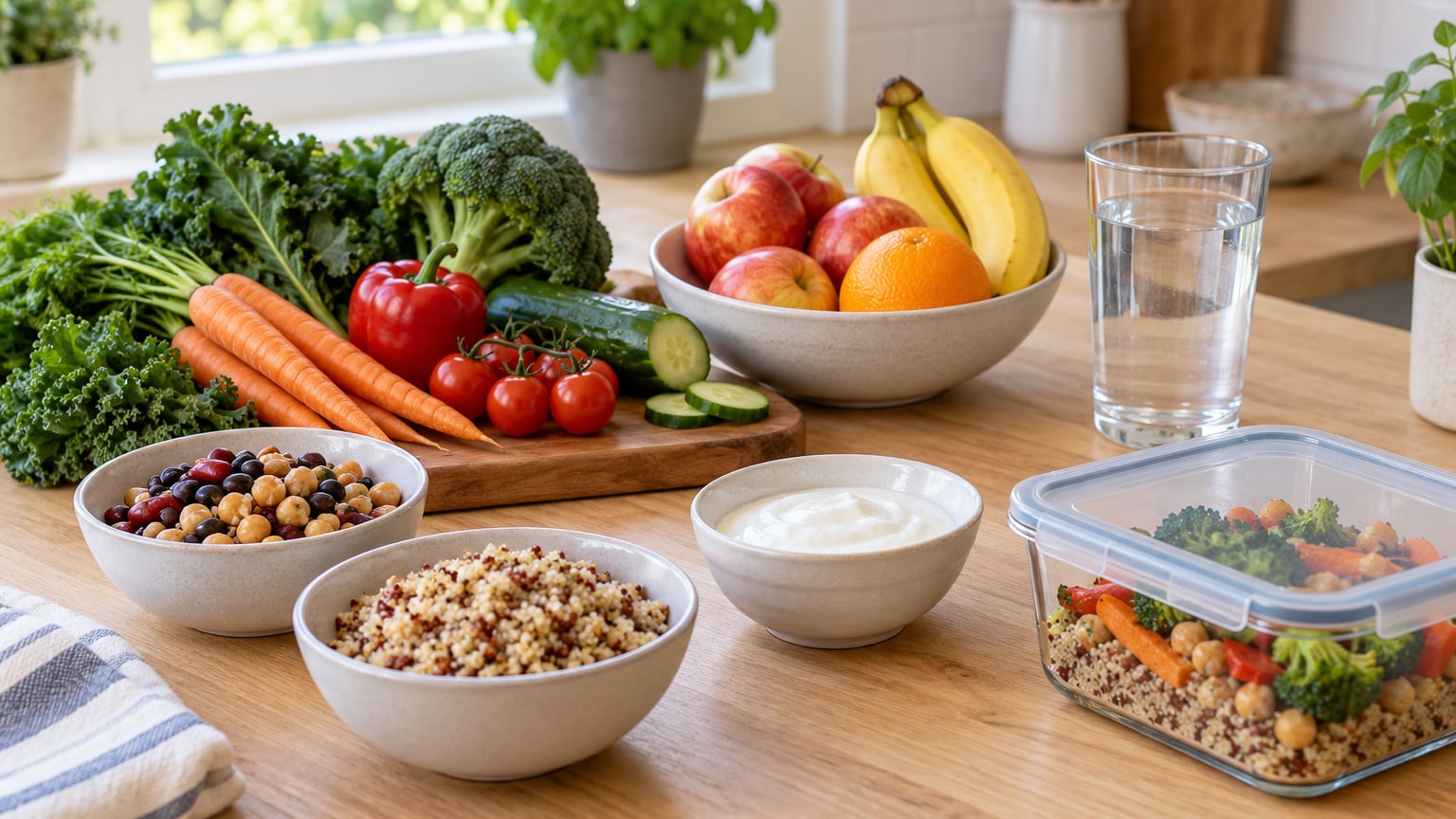
Clean eating is not a diet you follow for six weeks. It is a set of food choices: whole and minimally processed foods most of the time, water instead of sugary drinks, and a plate that includes protein, vegetables and a real carbohydrate. If you want to know how to eat clean for beginners without going hungry or giving up the meals you already enjoy, start here. This guide takes about ten minutes to read and about a week of normal grocery shopping to put into practice.
Table of Contents
- What You Need
- Step-by-Step: How to Eat Clean for Beginners
- Common Mistakes
- Cutting out too many foods at once
- Treating clean eating as a restriction diet
- Skipping meals, then overeating later
- Spending money on powders and specialty products
- Abandoning everything after one imperfect meal
- Fearing all packaged food
- Feeling that blandness means you are doing it right
- Making food rules a source of anxiety
- Frequently Asked Questions
- Conclusion
What You Need
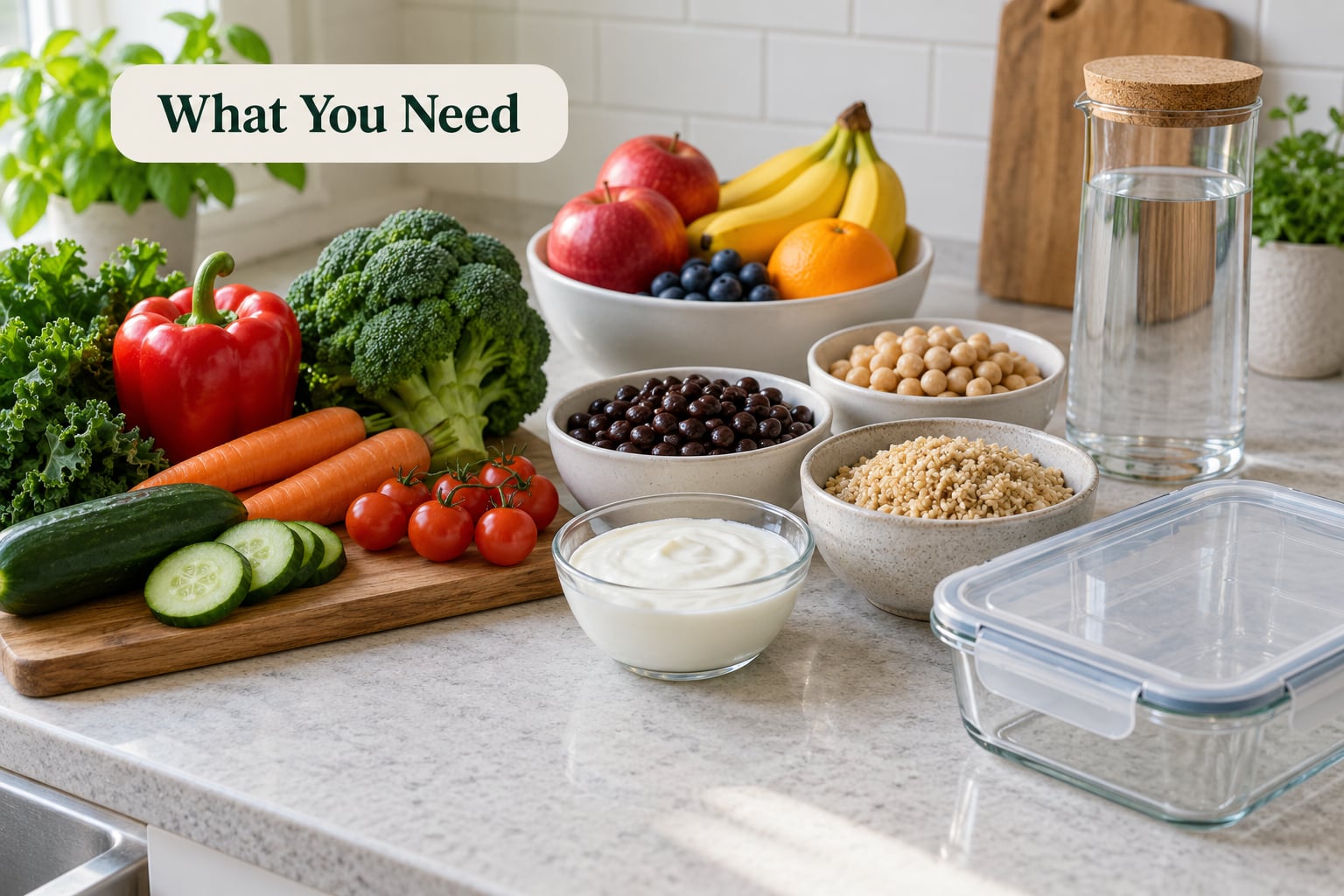
Before the first shop, define the idea so it stays workable. Clean eating means eating whole, minimally processed foods as close to their natural state as practical: fresh fruit and vegetables, quality protein, whole grains, healthy fats and water, with packaged, refined and artificially sweetened products in the background rather than the main event.
That definition matters because most beginners who quit were not eating badly. They were following a definition that left no room for a busy Tuesday. Yours needs room for a yogurt cup from the fridge and a frozen bag of broccoli when the week falls apart.
The core foods worth learning first
- Vegetables and fruit. Frozen counts. Frozen produce is picked and frozen at peak, and it costs less with less waste than fresh.
- Protein. Eggs, chicken, fish, beans, lentils, tofu, plain yogurt, cottage cheese. Rotating sources is easier than committing to one.
- Whole grains and starchy carbohydrates. Brown rice, oats, quinoa, whole-grain bread, sweet potatoes, corn, potatoes.
- Healthy fats. Olive oil, avocado, nuts, seeds, nut butters with a single ingredient on the label.
- Frozen and canned staples. Frozen vegetables, rinsed canned beans and no-salt-added tomatoes. They keep the plan cheap on a week when fresh goes bad in the drawer.
- Drinks. Water, sparkling water, unsweetened tea, black coffee.
Planning tools and kitchen staples that help
A short list is enough. A notebook or phone note for your grocery list, a container set for carrying food, a sheet pan, a knife you are comfortable sharpening, and two or three seasonings you actually like will carry you a long way.
One blender earns its counter space when you want greens in your morning routine. If that sounds like your situation, how to clean a blender without taking it apart is the unglamorous follow-up task nobody warns you about.
Supplements are not the entry fee. Most people begin with the same ordinary foods and get most of what they need from them. If you are curious about protein powders later, plant protein versus whey protein for beginners covers the trade-offs, and how to read a protein powder label covers the ingredient list that matters. Neither has to be part of week one.
Step-by-Step: How to Eat Clean for Beginners
The plan below takes about four to six weeks and asks for three changes at most at any one time. Pick the steps that sound doable this week. Keep the ones that already fit.
1. Build a Balanced Plate
Use the plate method instead of counting calories. Fill half the plate with vegetables or fruit, a quarter with protein, a quarter with a whole grain or another starchy carbohydrate, then add a small portion of healthy fat.
A real lunch built this way: two handfuls of roasted broccoli and carrots, a palm-sized piece of grilled chicken, three-quarters of a cup of brown rice, and a tablespoon of olive oil over the top. The proportions matter less than having all four parts present.
- Half the plate: any vegetable or fruit you actually like, raw or cooked
- One quarter: protein about the size of your open hand
- One quarter: brown rice, quinoa, whole-grain pasta, potatoes or corn
- Plus fat: olive oil, avocado, nuts or seeds, roughly a tablespoon or a small handful
You will know it worked if you are satisfied for a few hours, not hungry an hour later. That is a better test than any number on a label.
2. Shop for Core Foods First
Walk the outer edges of the store first: produce, meat and seafood, dairy, and the bakery and grain aisles. That perimeter is where the least processed food tends to sit. Fill your list from it, then go back for the few packaged things you need.
Beginners on a budget will do better with the center aisles than they expect. Canned beans, rinsed and drained, plain canned tomatoes, frozen vegetables, and store-brand plain yogurt are all easy wins. Compare unit prices rather than shelf prices, since a large can of beans costs about the same per serving as a small one.
Wash and prep produce the night you shop. A washed head of lettuce and cut vegetables in a jar of water in the fridge removes the single biggest excuse for ordering out.
3. How to Eat Clean for Beginners on a Busy Week
Plan before the week gets busy, using a routine you can repeat. Write a grocery list on Sunday, choose two or three meals you will actually cook, and cook once for extra servings that become tomorrow’s lunch.
A repeatable list of two or three meals works better than seven recipes you never make. For example: sheet-pan chicken and vegetables with brown rice, a pot of lentil soup with a large salad, and bean tacos with corn tortillas and avocado. That is a week of food from three cooking sessions.
Store extra servings in single portions in the fridge, where cooked food is generally good for three to four days, and freeze the rest for later in the month. Portioning early is what makes the fourth Thursday of the month survivable.
4. Make Water and Whole Foods Easy
Hunger that reads as a craving is usually thirst, boredom or a missing protein portion. Put a filled water bottle where you sit, keep fruit in a bowl at eye level, and cut vegetables stay in the front of the fridge rather than hidden in a drawer.
For snacks, aim for something with a protein or a fat in it: apple slices with peanut butter, plain yogurt with berries and chia seeds, carrot sticks with hummus, or a handful of nuts. If you want a smoothie, a blender that you actually know how to clean gets used far more often than one you avoid.
When you travel or are stuck somewhere with only a vending machine, look for nuts, a boiled egg, a piece of fruit, or whole-grain crackers with cheese. Perfect is not available that day, and fine still counts.
5. Read Labels Without Fear
Packaged food is not automatically bad and packaged food is not automatically clean. Learn four things from a label in about thirty seconds and you can decide on your own.
- Serving size first. Check how many servings are in the container and what one serving actually is.
- Added sugars. Look for added sugar in grams, and check whether the company prints the percent of daily value on the front.
- Sodium. More than about 2300 milligrams a day for most adults is above guidance, so a single serving near 500 milligrams is worth noting.
- Fiber and protein. If a package is going to stand in for a meal, you want real fiber and real protein on the label, not mostly filler.
Then read the ingredient list. If you could reasonably find every ingredient in your kitchen or know what it is, it is probably fine. Ingredients are listed by weight, so the first three tell you most of the story.
Watch for renamed sugar too. High fructose corn syrup, sucrose, dextrose, cane sugar, syrups and concentrated juices are all added sugar under different labels.
6. Cook Flavorful Meals Without Special Ingredients
The fastest way to quit is to eat food you resent. Garlic, onions, salt, pepper, chili flakes, paprika, vinegar, lemon, fresh herbs and olive oil will carry you through dozens of meals without a single expensive powder.
A simple sauce covers a lot of weeknight cooking: olive oil, a spoon of the vinegar you already own, garlic, salt, pepper, and a squeeze of lemon or a dash of hot sauce. It turns plain vegetables and grains into something you look forward to.
Use methods that add flavor without long prep. Roasting at high heat caramelizes vegetables in about 25 minutes. Slow cookers and rice cookers do the work while you are elsewhere.
Keep your food safety basics too. Poultry reaches an internal temperature of 165F, ground meat 160F, and whole cuts and fish 145F. Refrigerate leftovers within two hours and use refrigerated cooked food within three to four days.
7. Adjust the Plan to Your Life
Clean eating that only works at home, on a Sunday, with nothing else going on is not a plan, it is a photo. Build in the parts of the week where you eat out, travel, or cook for people with different tastes.
At a restaurant, order the grilled or roasted option, ask for vegetables in place of a heavy side, and add olive oil or lemon if the plate seems dry. You do not need to mention how you eat to anyone.
Cooking for a family means cooking the protein and grains in a way everyone likes, then putting the vegetables and salad on the table separately. For a picky eater, familiar whole foods like toast, pasta with sauce, banana, and grapes often work better than a new grain.
Travel is a logistics problem, not a willpower problem. Research restaurants before you go, pick one or two you can eat at, and eat at those without turning the trip into a food project. If a budget is tight, plain beans, rice, eggs, frozen vegetables and store-brand canned goods will feed you properly every day.
Common Mistakes
These are the mistakes I see most often in people starting out. None of them are character flaws, and each has a simple correction.
Cutting out too many foods at once
The fix: add before you subtract. Put vegetables, fruit, protein and water in place first, and reduce the packaged snacks only once the new habits feel automatic. Three changes at a time is plenty.
Treating clean eating as a restriction diet
The fix: think of it as a set of foods you eat more often, not a list of foods you are forbidden. If a rule makes you think about food more than usual, it is too tight.
Skipping meals, then overeating later
The fix: include protein and a carbohydrate at every main meal. Arriving at dinner starving guarantees a large decision made quickly.
Spending money on powders and specialty products
The fix: beans, eggs, plain yogurt, tofu and frozen produce cover the same ground. Save the shelf space for items you would genuinely use.
Abandoning everything after one imperfect meal
The fix: aim for most meals being good, and let a single meal be a single meal. People tend to lose the rest of the week over one decision, which is how a normal Tuesday becomes a Sunday reset.
Fearing all packaged food
The fix: use the label method from the step above instead of a brand ban. Frozen vegetables, canned beans, plain yogurt and whole-grain bread belong in the plan.
Feeling that blandness means you are doing it right
The fix: if you are not enjoying the food, the plan will not survive a month. Season it, use sauces, and make one meal a week that is purely for pleasure.
Making food rules a source of anxiety
The fix: rigid rules around food can turn into an obsessive pattern, sometimes in people who already tend toward obsessive habits or have a history of disordered eating. If measuring and policing food starts to affect your mood, your social life, or your relationship with eating, that is a reason to talk to a doctor or a registered dietitian rather than a reason to try harder.
This is general information, not personal nutrition advice. If you are managing diabetes, kidney disease, a gastrointestinal condition, an eating disorder, pregnancy or any other medical situation, get individualized guidance from a registered dietitian or your doctor before changing how you eat.
Frequently Asked Questions
What is the 3-3-3 rule for meals?
The 3-3-3 rule is a simple portion guide rather than a nutrition rule. It means about three handfuls of vegetables, three handfuls of protein, and three handfuls of grains or starchy foods per day, or three of each item at a meal. It is popular because it is fast and needs no weighing or app. It works reasonably well for many adults, but it is not a requirement, and appetite, body size and activity level all change what three handfuls means for you.
What two foods should not be eaten together?
There are no two ordinary foods you must avoid eating together. Food-combining rules that warn against pairing fruit with protein, or two vegetables in the same meal, are not supported by mainstream nutrition guidance and are not part of clean eating. The pairs that genuinely cause trouble are unusual ones, such as grapefruit with certain medications, and they are a pharmacology question rather than a food rule. If you take medication, ask your pharmacist about food interactions.
Is Greek yogurt considered clean eating?
Plain Greek yogurt fits clean eating well. It is high in protein, low in added sugar when it is unflavored, and often made with live cultures that are fine for most people. Choose plain versions and check the added sugar on flavored ones, since some fruit yogurts carry as much sugar as a dessert. If you are lactose intolerant, coconut or soy yogurt with no added sugar works just as well.
How long does it take to see results from clean eating?
Most people notice energy and digestion changes within the first one to two weeks, and any change in body composition takes much longer, commonly eight to twelve weeks of consistent habits. The first few days often bring cravings and flat energy as your palate adjusts. Weight changes week to week are mostly water and digestion, so a daily weigh-in tells you very little. Judge progress by consistency first and by how meals feel, not by the scale on day ten.
Is clean eating actually healthy?
The core ideas, more vegetables and fruit, quality protein, whole grains, water and less highly processed food, match mainstream guidance from public health bodies. What is not healthy is the rigid version: banning whole food groups, demanding perfection, or treating eating as a moral test. If eating clean makes you anxious, restricts social life, or leads you to feel guilt about ordinary meals, the approach is the problem rather than you.
Do I have to cook every meal to eat clean?
No. Cooking at home gives you the most control, but plenty of convenient options fit a clean eating plan: frozen vegetables, rinsed canned beans, plain yogurt, fruit, nuts, whole-grain crackers, pre-cut produce, deli chicken and ready-cooked grains. Most people land on a mix, cooking some meals and choosing sensible packaged options for the rest. The plan that fits your week is the plan that lasts.
Conclusion
Start with one action: build your next three meals using the plate method, and add vegetables, a protein and water to the day before you change anything else. That single habit teaches you what the rest of the plan actually looks like.
Consistency beats intensity here, so let a meal be ordinary and move on. If you have a health condition, take medication, or have a history of disordered eating, work through the details with a doctor or registered dietitian so your version of eating clean fits you specifically.