
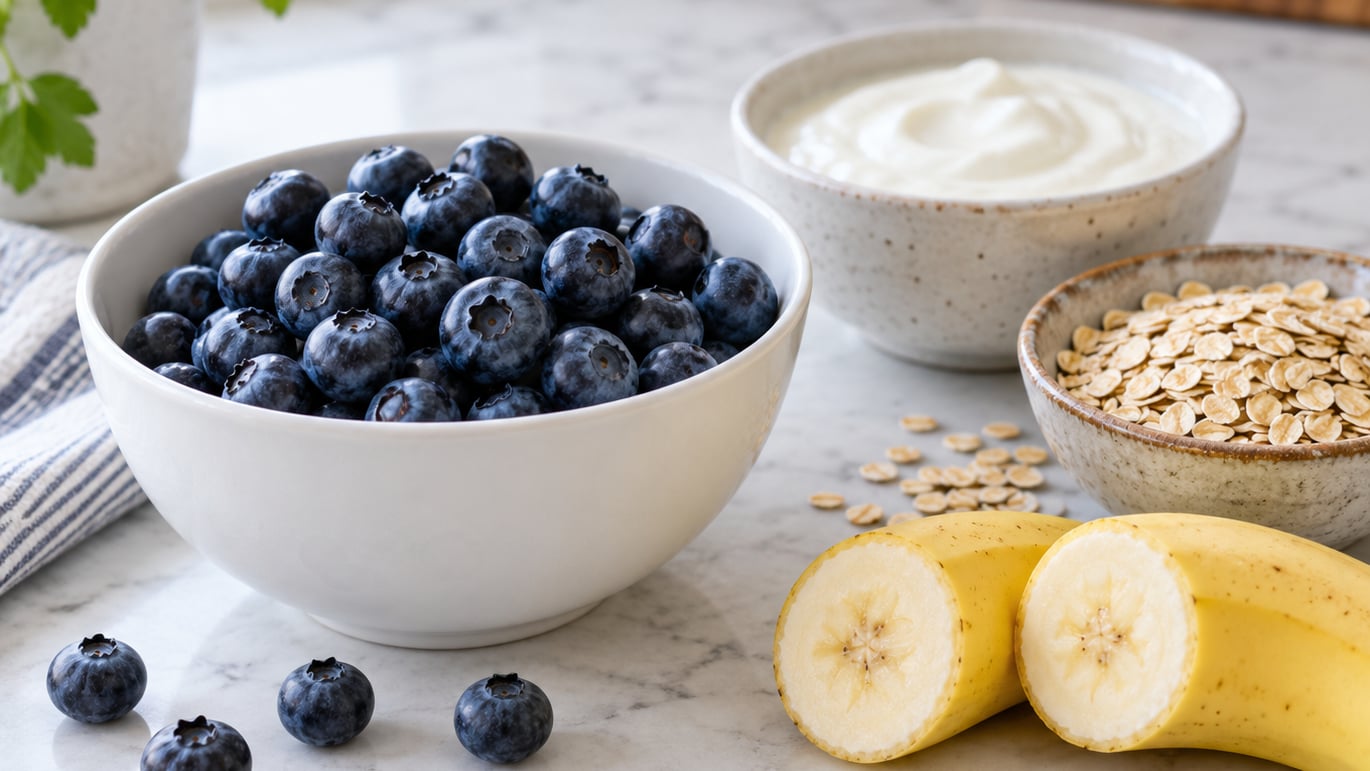
The benefits of eating blueberries every day come down to a handful of solid nutrient contributions and a growing pile of modest research, not a cure for anything. One cup is roughly 84 calories, so a daily serving fits comfortably into most eating patterns, and the food itself does no harm as long as the rest of your plate stays varied.
That last part is the one worth holding onto. Most of the loud claims you see online come from studies in cells, animals, or small groups of people, and researchers are usually the first to say the evidence is promising rather than settled. What has held up better over the years is the quieter stuff: berries feed gut bacteria, add soluble fiber, and give you something to eat that is not a packaged snack.
Table of Contents
- What Are the Benefits of Eating Blueberries Every Day?
- What Nutrients Do Blueberries Provide?
- How Can Blueberries Support a Balanced Diet?
- What Does the Research Say About Blueberries and Health?
- How Many Blueberries Should You Eat Each Day?
- Are There Any Downsides to Eating Blueberries Every Day?
- How to Eat Blueberries Every Day
- How to Store Blueberries So They Stay Fresh
- Who Should Talk With a Health Professional First?
- Frequently Asked Questions
- Are frozen blueberries as healthy as fresh blueberries?
- What is the best time to eat blueberries every day?
- Are blueberry smoothies better than eating whole blueberries?
- Can eating blueberries every day cause weight gain?
- Can people with diabetes eat blueberries every day?
- How should blueberries be stored to prevent spoilage?
- Conclusion
What Are the Benefits of Eating Blueberries Every Day?
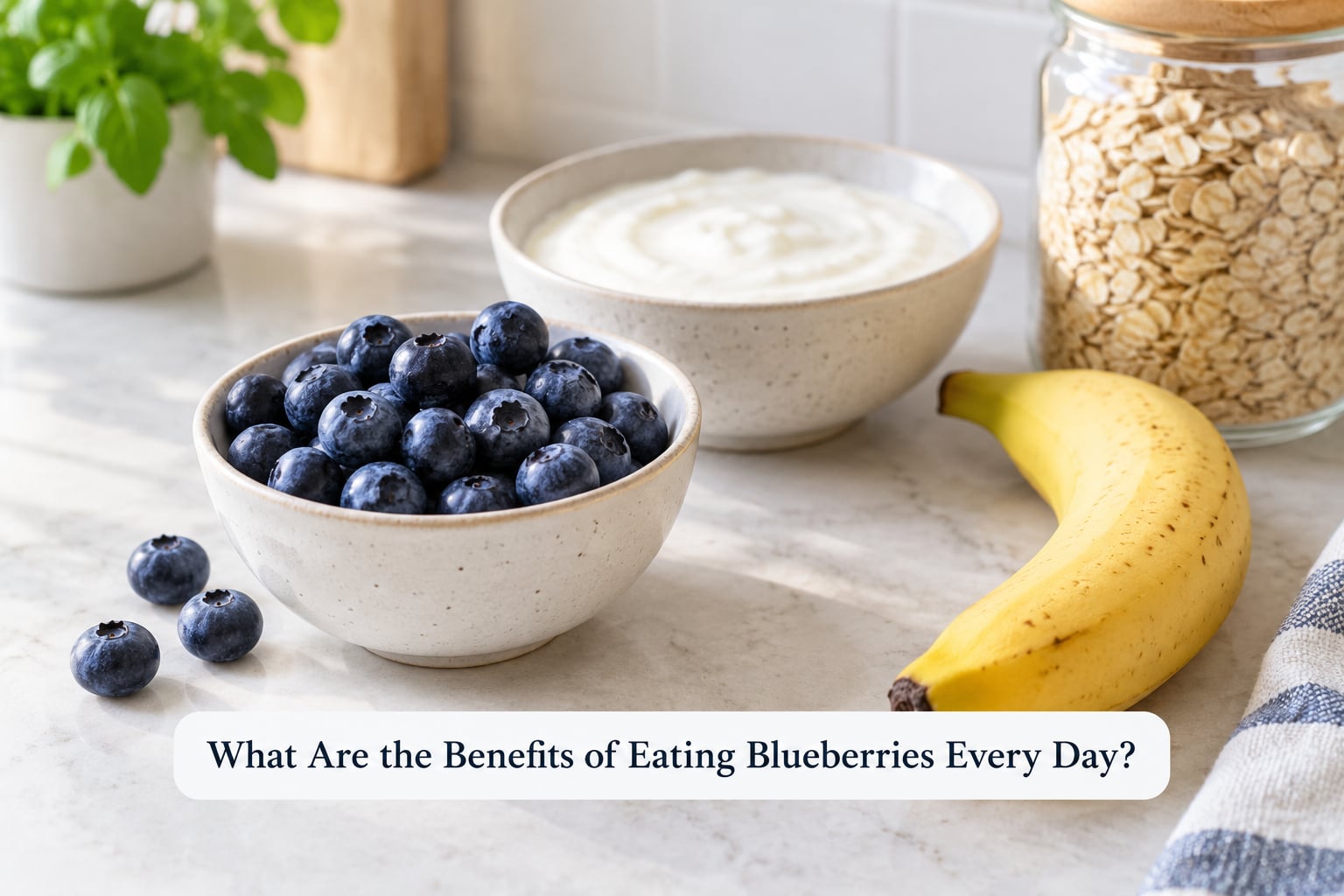
A daily serving of blueberries adds fiber, vitamin C, vitamin K and manganese to your diet, supplies anthocyanin antioxidants, feeds beneficial gut bacteria, and helps fill you up for very few calories. The strongest evidence supports heart health, blood sugar management and brain function, and it points to regular eating as a pattern rather than a single miracle food.
- Fiber and fullness. About 3.6 grams per cup, which supports regular digestion and takes the edge off between meals.
- Anthocyanins. The blue-purple pigments that give blueberries their color and much of their antioxidant activity.
- Vitamin C and vitamin K. Small amounts that add up across a week, plus manganese for bone and energy metabolism.
- Gut bacteria. A share of the fruit’s sugars reach your colon and become short-chain fatty acids, which is the prebiotic effect.
- Low calorie density. Water plus fiber means a full cup costs about 84 calories.
- Food variety. Color and flavor diversity in the diet, which most dietary guidelines treat as a goal in itself.
Notice that none of those are medical claims. They are reasons the berry keeps showing up in eating patterns that people tend to stick with for years.
What Nutrients Do Blueberries Provide?
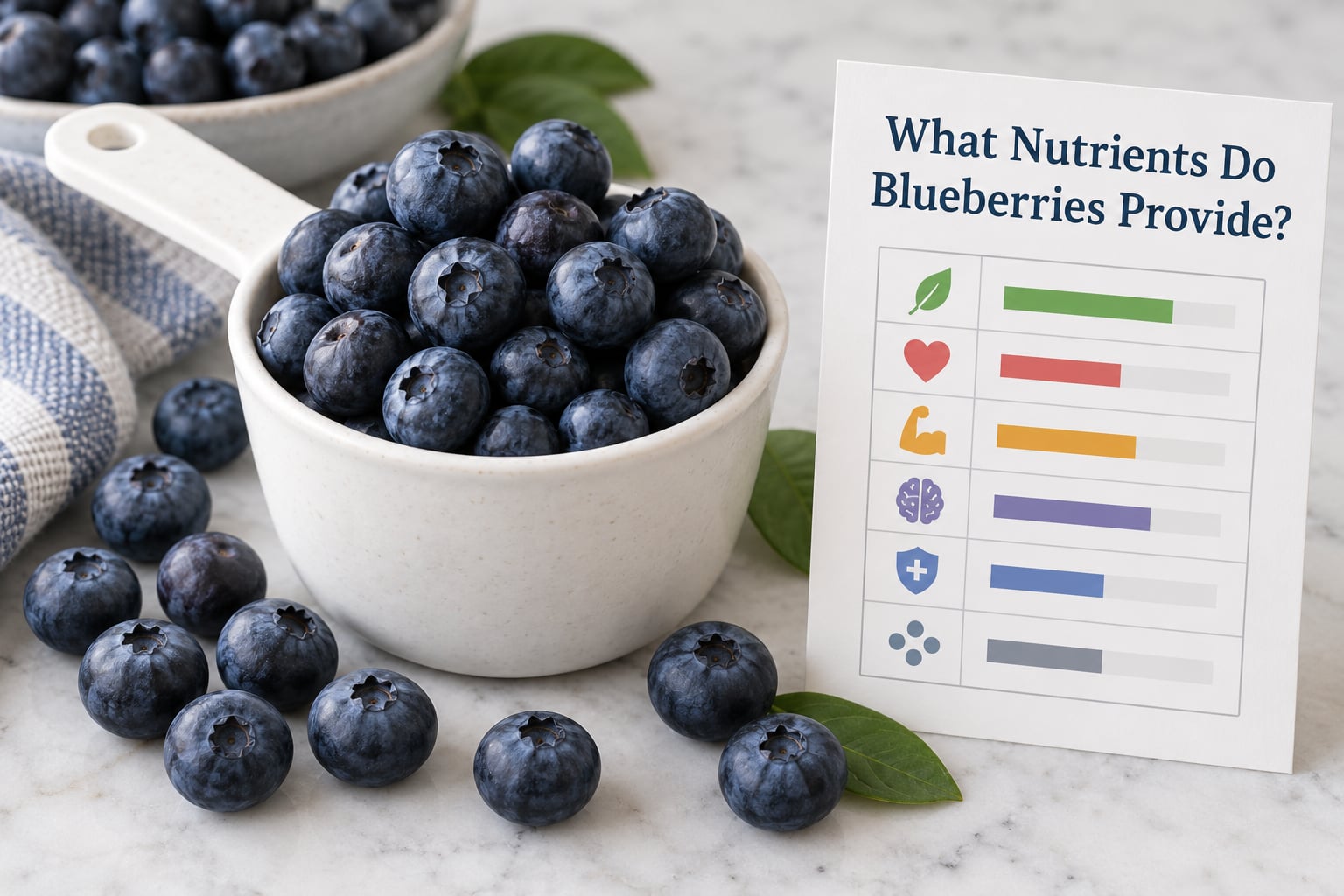
Blueberries are mostly water and carbohydrate, with a modest amount of protein and a surprising amount of micronutrients for their size. The table below is the standard one-cup raw serving; values shift with serving size, freshness, variety and how the fruit is prepared.
| Nutrient (1 cup raw, about 148 g) | Approximate amount |
|---|---|
| Calories | 84 kcal |
| Carbohydrate | 21.4 g |
| Sugars | 14.7 g, mostly natural fruit sugar |
| Dietary fiber | 3.6 g |
| Protein | 1.1 g |
| Vitamin C | 14.4 mg, about 16 percent of daily value |
| Vitamin K | 18.9 mcg |
| Manganese | 0.5 mg, about 26 percent of daily value |
| Potassium | 115 mg |
| Anthocyanins | About 14 mg per cup, mostly in the skin |
Fruit sugar is the number people usually pause on. A cup carries roughly 15 grams, which is less than a small glass of orange juice and far less than most snack bars. Because the sugar arrives wrapped in fiber and water, the blood sugar response stays gentler than it would from refined sugar at the same amount.
How Can Blueberries Support a Balanced Diet?
Blueberries earn their place by making other good habits easier. They are bulky and water-rich, so a cup takes up real room in a bowl or a snack box while contributing very little energy.
In a balanced diet they do four jobs well. They add fiber, which most people in the US still fall short on. They add volume to breakfast, which is usually the meal people under-eat. They replace snacks that would otherwise be processed, and they bring color, which is a rough proxy for plant variety in the diet. That variety point matters more than it sounds; dietary guidelines consistently recommend eating a range of plant foods rather than hunting for one superfood.
If you want more whole-food eating habits that don’t require cooking every night, our guide on how to eat more vegetables without cooking every night covers the same idea at a broader level.
What Does the Research Say About Blueberries and Health?
The strongest evidence clusters around heart health, blood sugar, brain function and the gut, and most of it comes from observational studies plus a good number of small human trials. Animal and cell research explains plausible mechanisms but does not translate directly into health outcomes for people, so it deserves less weight than many headlines give it.
What anthocyanins do in the body
Anthocyanins are flavonoids, a type of polyphenol, and they are the reason blueberries get studied so heavily. In laboratory conditions they act as antioxidants, meaning they help neutralize reactive molecules that damage cells, a process described as oxidative stress. In living people, the story is more complicated, because the body also has its own antioxidant systems and because anthocyanins are broken down quickly in digestion.
That is why researchers talk about biological activity rather than simple antioxidant power. Several compounds are only transformed by gut bacteria into forms the body can use, which is one reason berry and gut research tend to be discussed together.
Heart health and blood pressure
Regular blueberry consumption is associated with lower cardiovascular disease risk in cohort studies. Small controlled trials have reported modest reductions in systolic blood pressure, and the proposed pathways run through improved nitric oxide availability and endothelial function, which is the lining of your blood vessels.
Read that carefully: modest, and in studies that run weeks, not years. Blueberries sit alongside other foods that matter, including the ones described in what to eat for gut health every day, and no single food carries a heart outcome on its own.
Brain health and memory
Blueberries are one of the foods that appear in the MIND diet, a Mediterranean-style pattern designed to reduce cognitive decline risk. Trials measuring acute brain function have reported small improvements in memory and attention after several weeks of daily blueberry juice or powder, usually alongside a decline in oxidative markers.
The honest version: short windows, specific tasks, and sample sizes that would not satisfy anyone calling this a dementia prevention method. Dietary patterns overall are what the epidemiology supports, not the berry alone.
Blood sugar response and insulin sensitivity
Because blueberries are low in energy density and contain fiber, eating them does not produce the sharp glucose spikes that many people associate with fruit. Some small trials have found improvements in insulin sensitivity after several weeks of daily intake.
The practical version of that is easier to test than a lab. People who break fasts reach for blueberries first, usually with fat and protein, because they report less rebound hunger than a sweet juice would give them. That is a reasonable personal observation about tolerance, not a clinical finding.
Gut bacteria and short-chain fatty acids
A portion of the carbohydrate in blueberries, along with some of their polyphenols, reaches the large intestine and is fermented by resident bacteria. The result is short-chain fatty acids such as butyrate, plus a change in which bacterial species dominate.
Prebiotics work this way and probiotic foods work differently; they are not interchangeable. If you are curious about building out that side of your diet, the gut health food guide goes into prebiotic and probiotic sources in more depth.
Exercise recovery
Small studies suggest blueberry consumption before or after strenuous exercise may lessen muscle soreness and speed recovery of strength, possibly through reduced oxidative and inflammatory response after exercise. The effect sizes are modest and the research is early, so it is better described as a mild bonus than a training aid.
How Many Blueberries Should You Eat Each Day?
There is no required daily amount, and no official body recommends a specific number of blueberries. A cup is the common reference serving because it is what most nutrition databases and clinical trials use, and it works as a practical target for an adult who is not restricting calories for a specific medical reason.
- A small handful, about half a cup, suits most people as a casual daily add-on.
- A full cup is the standard serving used in studies and fits well in oatmeal, yogurt or a salad.
- More than a cup is fine nutritionally if you enjoy it and it fits your calorie budget, but the extra benefit past a cup is small.
Whole berries beat juice on nearly every measure. A cup of juice delivers the sugar without the fiber, and the anthocyanins degrade during processing and storage. Powder and freeze-dried forms concentrate the polyphenols but lose the fiber unless they are combined with something that provides it. For fiber, seeds and other small additions such as hemp hearts are a common combination worth knowing about.
Are There Any Downsides to Eating Blueberries Every Day?
A cup a day is a moderate amount of fruit, and most people tolerate it well. The caveats are worth knowing so you are not surprised by them.
- Carbohydrate content. About 21 grams per cup, which matters mainly for people counting carbohydrates for blood sugar management.
- Digestive effects. The fiber and fermentable sugars can cause bloating or gas in people with sensitive guts, and blueberries are not considered low FODMAP at a full cup. Smaller servings and frozen fruit are often better tolerated.
- Allergic reactions. Rare, but documented, and they range from mouth itching to more serious reactions.
- Color and staining. Blueberry pigment stains teeth, cups, cutting boards and cloth. Baking soda on your teeth and a damp cloth on surfaces handle it.
- Sugary blueberry products. Muffins, yogurt drinks, jams and pancake mixes usually carry more added sugar and refined flour than the fruit they are named after.
One more, and it is the reason people sometimes hear the opposite advice: vitamin K. Blueberries contain a meaningful amount of vitamin K, and vitamin K interacts with warfarin and similar blood-thinning medication. It is not that blueberries are dangerous with these drugs; it is that intake needs to stay consistent rather than swinging week to week, because swings change how the medication is dosed. Any clinician managing your blood thinner should set the target, and the dose should never be adjusted because of a bowl of fruit on your own.
How to Eat Blueberries Every Day
The easiest way to make this a habit is to attach it to something you already do. Here are the combinations that actually repeat without thinking.
- Plain over yogurt. A cup of unsweetened Greek yogurt with blueberries stirred in at the end. You keep the whole fruit texture and the fiber, and nothing is heated.
- In oatmeal. Add raw berries on top after cooking so they stay intact, or stir frozen ones in during the last minute of simmering.
- In smoothies. Whole berries plus yogurt and banana blend smooth, though blending is a small trade: you keep the fiber, but lose some structure.
- In salads. Blueberries work well with leafy greens, walnuts, feta and a balsamic or citrus dressing, which is also a decent way to get a small serving of fat alongside the fruit.
- In baking. Folded into muffins, pancakes and quick breads. Baking softens the berries and reduces some anthocyanins, though it keeps the fiber, so the dish is still worth eating.
- Frozen as snacks. Straight from the freezer, frozen berries are chewy and sweet and take longer to eat than fresh ones, which some people like for portion control.
On the question of timing, there is no strong evidence that morning or evening is meaningfully better. Regularity matters more than clock time. If you want the berry to feel substantial, eating it with protein and fat at breakfast is a reasonable default, and it is the pairing many people find most satisfying.
How to Store Blueberries So They Stay Fresh
Moisture is what spoils berries, so the main rule is to keep water away from them until you are ready to use them. Store fresh blueberries in the refrigerator, unwashed, in the container they came in or a loosely covered container lined with a paper towel, and check them every few days rather than all at once.
Discard berries that are leaking, soft or fuzzy, and pull out any moldy berry quickly so it does not affect the rest. Wash only the amount you plan to eat, right before eating.
For longer storage, freeze them. Spread berries on a tray to freeze individually first, then transfer them to a freezer bag, which stops them from clumping into one block. Frozen berries soften during thawing and are best used in smoothies, oatmeal, sauces and baking rather than eaten as a fresh replacement. Thawed berries spoil quickly, so plan to use them or refreeze them right away.
Who Should Talk With a Health Professional First?
Blueberries are ordinary food and most people do not need medical clearance for a cup a day. A few situations are worth a conversation rather than a guess.
- Anyone on warfarin or another vitamin K antagonist, as well as anyone on blood-thinning medication that responds to vitamin K. Ask your prescriber for a target weekly amount rather than estimating.
- People managing diabetes or insulin resistance, who may want a carbohydrate-aware portion and timing guidance.
- Anyone with a berry allergy or a history of food reactions, who should get personalized advice before adding large quantities.
- People with IBS, FODMAP sensitivity or a history of strict elimination diets, who may need to start with smaller portions and track tolerance.
A registered dietitian is the right person for any of these, and your prescriber or pharmacist handles the medication side. Nobody on the internet, including us, can replace that conversation.
Frequently Asked Questions
Are frozen blueberries as healthy as fresh blueberries?
Yes, close enough for practical purposes. Freezing breaks down some cell walls, which releases anthocyanins and means you absorb them a bit more readily, and the fiber and most vitamins stay put. Frozen berries are picked ripe and often have less vitamin C than berries that have sat in storage. The real difference is that frozen berries are easier to eat year-round, and thawed berries are softer, which makes them a poor stand-in for fresh in a salad.
What is the best time to eat blueberries every day?
Any time you will actually eat them. There is no solid evidence that morning beats evening for anthocyanin absorption or any other outcome. What matters is consistency, since the studies on heart, blood sugar and memory outcomes all measured daily intake rather than a particular hour. If you want one practical default, breakfast alongside protein and fat works well and makes the berry part of a meal rather than a separate obligation.
Are blueberry smoothies better than eating whole blueberries?
Not from a nutrition standpoint. Blending keeps the fiber in the drink, which is the main thing people worry about when they blend fruit, and a cup of whole berries in a smoothie still delivers roughly 3.6 grams of fiber. What you lose is texture and the slowing effect that chewing has on how quickly you eat. If satiety matters to you, eat some whole berries first. If convenience matters more, the smoothie is still a good option.
Can eating blueberries every day cause weight gain?
A cup of blueberries is about 84 calories, with water and fiber doing most of the volume work, so it is one of the easier additions to leave in. Weight change over months comes from your overall calorie balance, not from one food. The realistic risks are calorie-free ones: dried or sweetened blueberries carry far more sugar and energy than fresh, and heavily sweetened smoothie drinks can quietly add up. Portion and preparation matter far more than the fruit itself.
Can people with diabetes eat blueberries every day?
Blueberries contain about 14 grams of natural sugar per cup, which is moderate rather than high, and the fiber slows how quickly that sugar enters the bloodstream. Many people with diabetes eat them daily as part of a planned eating pattern. Because carbohydrate targets differ between people and change over time, check with your doctor or registered dietitian about portions, timing and pairing with protein or fat rather than setting a daily number from a general article.
How should blueberries be stored to prevent spoilage?
Keep them unwashed in the refrigerator, in their original container or one lined with a paper towel, and only wash the portion you plan to eat. Moisture on the skin speeds spoilage, which is why rinsing and storing wet berries shortens their life. Check the container every few days and remove anything soft, leaking or fuzzy immediately. For storage beyond a week or two, freeze them on a tray first so the berries freeze separately instead of forming one solid block.
Conclusion
Blueberries are one of the easier daily habits to keep. A cup brings fiber, vitamin C, vitamin K, manganese and anthocyanins for about 84 calories, feeds your gut bacteria, and adds color and bulk to whatever meal it joins. The research backs modest, real effects on blood pressure, blood sugar response and markers of oxidative stress, while the bigger disease-prevention claims are still questions researchers are working on.
So start with one thing this week: add a cup of whole blueberries to a breakfast or snack you already eat, frozen ones if fresh is awkward. Keep the rest of your plate varied, and if you take blood-thinning medication or manage blood sugar, ask your doctor or registered dietitian what portion fits your plan before you make it a habit. That is where benefits of eating blueberries every day become real rather than aspirational.